Working on a ship can be a very risky and dangerous occupation. Ship owners have an absolute duty to provide seaman with a seaworthy vessel and crew. Under general maritime laws, a “seaworthy” ship is suitable and fit for its intended use. This means the ship or vessel must be in proper working order and have the safe and adequate equipment the seaman needs to perform his or her particular duties.
In addition to the vessel itself, the ship owner also has duty to provide a competent crew. This not only means that the owner of the ship must employ a sufficient number of crew members; it also means the crew members must be safe, – trained and supervised.
The Ship Owner Has the Duty to Provide a Seaworthy Vessel
In order to be seaworthy the vessel must:
- Be fit for its intended use
- Provide a safe environment for maritime employees to live and work
- Be equipped with appropriate safety gear and equipment
- Have a sufficient number of competent and adequately trained crew members
When a vessel owner fails to provide a seaworthy vessel and a maritime worker is injured, the vessel owner can be held legally liable for damages. Damages that may be recoverable in an unseaworthiness claim include past and future lost wages and income, medical expenses, loss of earning capacity, retraining costs, pain and suffering, disability and disfigurement.
When the owner of a ship fails to provide a seaworthy vessel or crew and a seaman is injured, the owner can be held liable for damages. It is very important to understand that under the doctrine of unseaworthiness, the ship’s owner, and not your employer, is the party who has the duty to provide a seaworthy vessel and crew.
While in some cases the ship owner and the employer may be one in the same, there are many situations where the ship owner and the employer are separate companies or entities. In these cases, if you are an injured while in the service of a vessel you may be able to sue both the owner of the vessel and your employer under different laws and legal theories.
Figuring out the correct parties to sue for your injuries can be a very difficult process. The laws governing unseaworthiness claims, the Jones Act and other maritime actions can be hard to sort through so it is important to discuss your case with a skilled and knowledgeable Texas maritime injury attorney. Our firm has over 40 years of experience representing workers and other individuals who have been injured on ships and vessels. We will discuss your situation with you one on one and work with you to develop the right legal strategies and approaches for your case.
What Makes a Vessel Unseaworthy?
While there are wide variety of factors that can cause a vessel to be unseaworthy, some of the most common conditions include:
- Defective or insufficient tools and equipment
- Uneven, oily or slippery floors
- Faulty vessel design or undersized vessel for job used
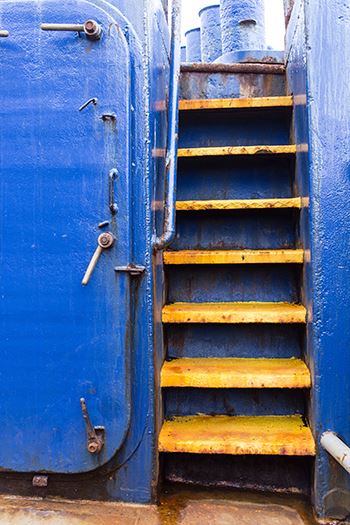
- Broken or Dangerous Ladders, Stairs & Handrails
- Inadequate or missing safety equipment or guards
- Lack of appropriate safety rules and procedures
- Worn out, broken or outdated equipment in operation
- Incompetent or improperly trained crew members
- Use of dangerous or incompetent third party contractors or sub-contractors
- Dangerous crew members on the ship or vessel
- Inadequate number of crew members to perform job safely
- Overworked crew members
It is important to recognize that in order to be found unseaworthy, a vessel does not have to be in danger of sinking; rather, unseaworthiness occurs when a ship owner fails to ensure the vessel is in proper working order with the equipment, tools and crew the seamen need to safely and properly perform their duties.
What Makes an Employer or Other Party Liable for Unseaworthy Conditions?
At Willis Law Firm we know that countless conditions can give rise to an unseaworthiness claim, including failure to:
- Provide sufficient equipment to do the job safely
- Properly fix or repair broken equipment or conditions
- Provide properly designed equipment
- Adequately maintain equipment
- Keep decks free from spills, debris and other hazards
- Provide warning signs for dangerous conditions
- Provide ladders, stairs and handrails for safe movement
- Replace or take out of service worn out or old equipment
- Properly train and supervise crew members
- Provide a sufficient number of crew members to perform the job
- Provide the proper amount of safety devices and life-saving gear
When unseaworthy conditions exist and a worker is injured, the worker will have the right to seek damages from the ship owner. These damages may include:
- Past and future lost wages
- Loss of earning capacity
- Medical expenses
- Assisted living expenses
- Travel Expenses and Mileage Reimbursement
- Pain and suffering
- Disfigurement
- Disability
- Loss of enjoyment of life
What Should I Do If I was Injured on an Unseaworthy Vessel?
If you are a crew member who has been injured while working on a vessel, you should consult with an experienced Texas maritime injury lawyer as soon as possible. When you work with the Willis Law Firm a skilled Texas maritime lawyer will review your case to identify all parties that may be held legally liable for your injuries. If the owner of the vessel failed to meet its legal duties and you were injured as a result, we may be able to file an unseaworthiness claim on your behalf.
You need to be aware that unseaworthiness claims and Jones Act injury claims are subject to a three year statute of limitations or filing deadline under the Uniform Statute of Limitations for Maritime Torts. This would apply to actions under the Jones Act and for a seaman’s claims for injuries due to the unseaworthiness of the vessel. This means the injured maritime worker or seaman would have up to three years from the date of your accident to file your legal claim. However one must be very careful as to whether the accident facts give rise to you being classified as a Jones Act seaman or whether the structure is considered a vessel under the Jones Act or General Maritime Laws. Further beware that some legal claims may have a filing or notice deadlines as short as one year from the date of the accident.
Therefore, it is always best to discuss your accident and injuries in detail with an experienced Texas maritime injury lawyer who can outline your legal options and make sure you are taking all actions necessary to protect your legal rights. Contact the Willis Law Firm today at 1-800-468-4878 for a free and confidential consultation.
Our Jones Act Law Firm Will Review Your Unseaworthiness Claim Free of Charge
If you are a worker who has been injured on a ship or vessel, Willis Law Firm will review your case free of charge. During your initial meeting with our experienced team of Houston maritime lawyers will answer your questions and outline all legal options that may be available to you. You can reach us today to schedule your free consultation by completing our online form or by calling 1-800-468-4878.